Reggae in Africa reflects historical themes of resistance and liberation, evolving through local sounds and artists while addressing social issues, spirituality, and cultural identity despite facing commercial and political challenges.
Reggae music has a deep connection with Africa, serving as both a form of entertainment and a message of resistance. It originated in Jamaica, rooted in themes of liberation, anti-colonialism, and social justice, reflecting the struggles faced by many African countries. Bob Marley’s legendary performance during Zimbabwe’s independence celebration symbolizes reggae’s connection to the continent. Today, reggae is not just imported; African artists create and adapt it, expressing their own experiences.
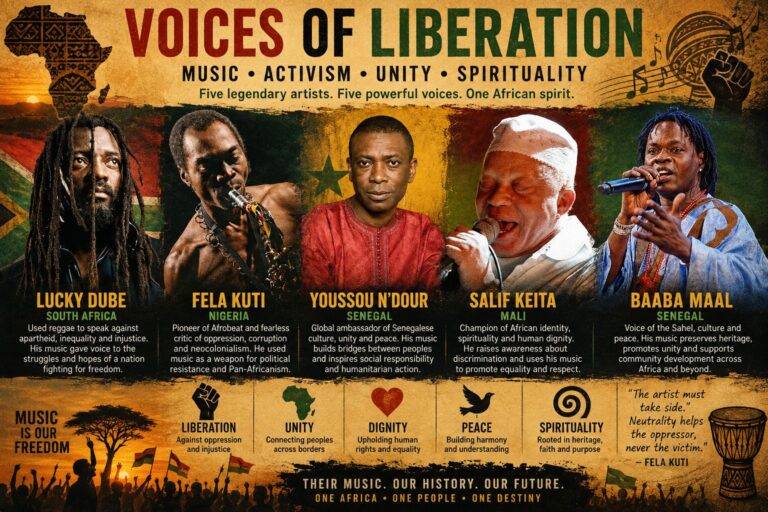
Reggae scenes have risen across Africa, showcasing local talent. In South Africa, artists like Lucky Dube and groups like The Rudimentals blend reggae with kwaito and jazz, creating unique sounds. Nigeria, known for its Afrobeats and hip-hop, has a growing reggae revival with artists like Majek Fashek, Patoranking, and Burna Boy mixing reggae with dancehall. In Ghana, reggae is popular, with artists like Rocky Dawuni and Samini bringing local elements to the genre. Ethiopia, connected to Rastafarianism, boasts artists like Teddy Afro, who incorporate reggae themes into their music. Other countries like Ivory Coast, Kenya, and Senegal also nurture reggae, with local stars and festivals promoting the genre and its messages.
Key factors driving reggae in Africa include its social consciousness, providing a voice for the marginalized and addressing issues like poverty and corruption. Spirituality plays a significant role too, as Rastafarian themes resonate strongly with audiences facing neo-colonial challenges. The rise of digital platforms and local radio has helped independent artists gain exposure. Festivals across the continent celebrate reggae, fostering community and resistance. The influence of the global African diaspora continues to enrich the genre.
Despite its relevance, the African reggae scene faces hurdles. It is often overshadowed by more popular genres like Afrobeat and amapiano on streaming platforms. There is also a lack of dedicated industry support, with few labels focusing on reggae and political censorship affecting artists in some regions.
Looking forward, a new generation of artists is using reggae as a means of cultural restoration. They are embracing indigenous languages and folklore, promoting themes of decolonization, spirituality, and unity. While reggae started in Jamaica, Africa is revitalizing it, affirming its Pan-African essence.
“Reggae is Africa’s mirror and megaphone. It reminds us of our struggles, our dignity, and our power,” said Rocky Dawuni. Would you like a version of this formatted for your newspaper or magazine layout, or expanded into a feature interview series with key artists across the continent?
About the Author