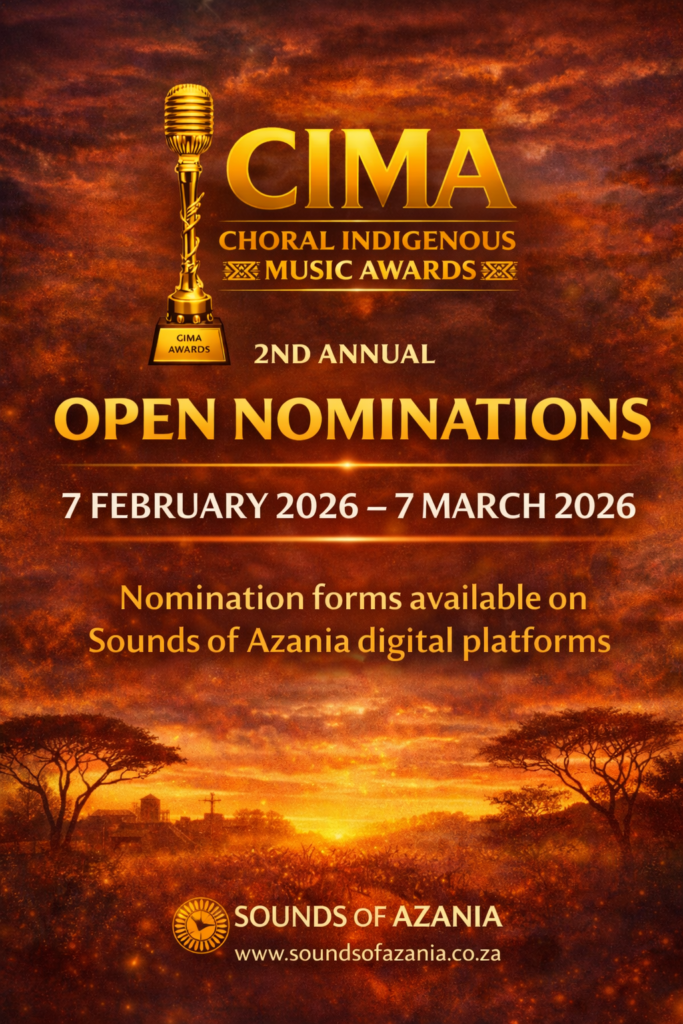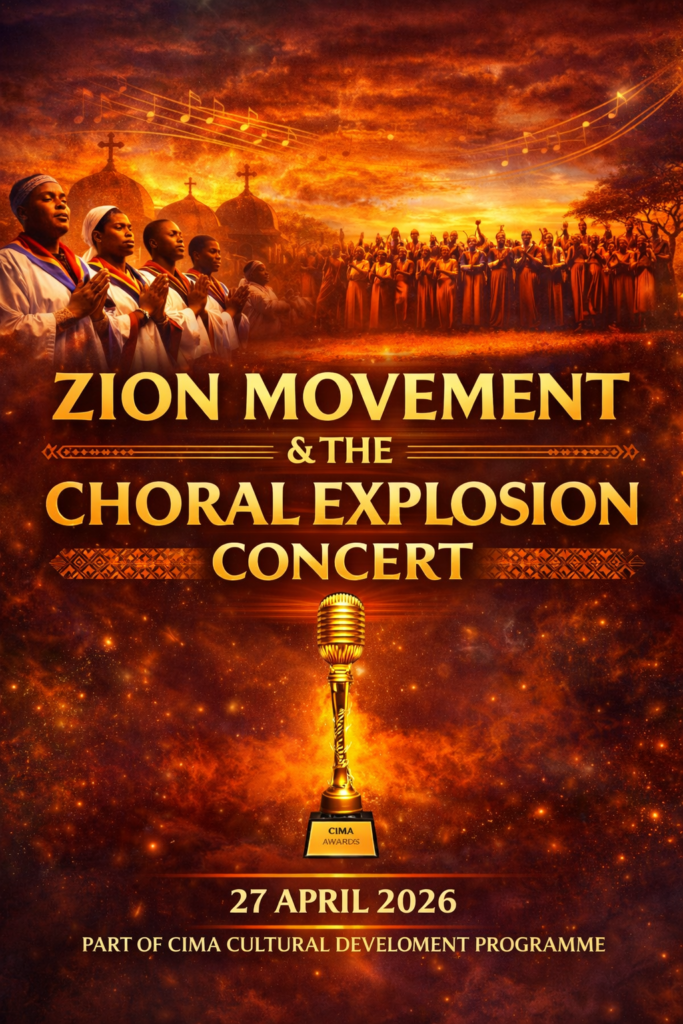
The Choral Indigenous Music Awards (CIMA) was established to respond to the historic under-recognition and marginalisation of choral and indigenous music within Africa’s mainstream cultural, commercial, and media landscapes. While choral music remains one of the most widely practised and socially embedded musical forms across African communities, rooted in tradition, spirituality, resistance, education, and social cohesion it has often existed on the periphery of formal music industry structures.
For generations, choral indigenous music has played a central role in African life. It has been the soundtrack of worship, community ceremonies, liberation movements, healing rituals, and storytelling. Choirs have thrived in churches, schools, cultural groups, labour movements, and rural communities, yet the composers, arrangers, conductors, and performers behind this powerful art form have rarely received adequate recognition, documentation, or sustainable economic opportunities.
CIMA was conceived to restore dignity, visibility, and value to choral indigenous music and the people who sustain it. The awards seek to create a formal platform that acknowledges excellence, preserves cultural heritage, and elevates choral music to its rightful place within the broader creative economy. By doing so, CIMA addresses long-standing gaps such as limited access to professional development, lack of industry recognition, minimal archiving of indigenous compositions, and the absence of dedicated platforms celebrating choral achievements.
Beyond recognition, the foundation of CIMA is deeply rooted in community development and cultural sustainability. The initiative integrates awards with practical interventions, including community outreach programmes, school-based choral revival initiatives, music workshops, seminars, and mentorship opportunities. These elements are designed to nurture emerging talent, transfer skills between generations, and ensure that choral indigenous music continues to evolve without losing its cultural authenticity.
The timing and positioning of the Choral Indigenous Music Awards are also deliberate. Hosted annually in alignment with significant national and social milestones—such as Freedom Day (27 April) and World AIDS Day (December)—CIMA uses music as a vehicle for reflection, unity, healing, and social awareness. This approach reinforces the belief that choral indigenous music is not only an art form, but also a powerful tool for education, advocacy, and nation-building.
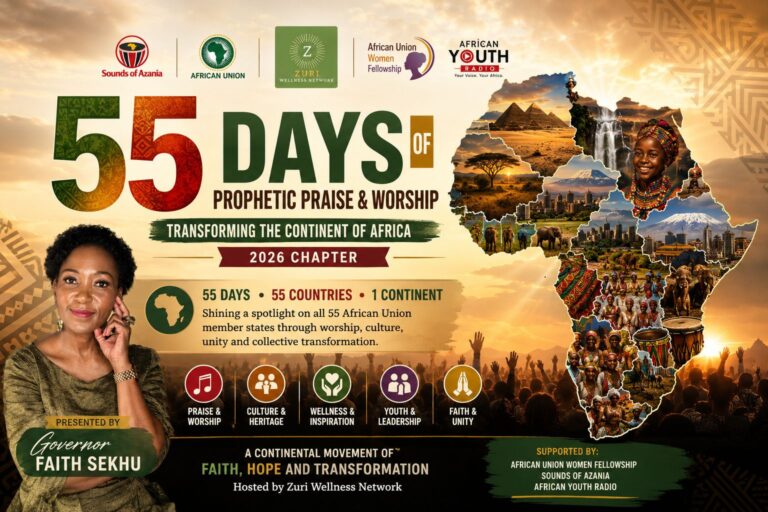
As part of the broader Sounds of Azania cultural and creative vision, CIMA contributes to building an inclusive African cultural economy that honours indigenous knowledge systems, empowers communities, and creates sustainable pathways for artists. The awards serve as a convening platform for government institutions, cultural bodies, educators, the private sector, media, and communities to collaborate in strengthening the choral music ecosystem.
Ultimately, the Choral Indigenous Music Awards stand as a commitment to preserving African identity, celebrating cultural excellence, and ensuring that choral indigenous music is documented, respected, and passed on to future generations. CIMA is not only about awarding achievement, it is about safeguarding a living heritage and affirming the role of choral music in shaping Africa’s past, present, and future.